Size is a State of Mind
Let's address the elephant in the room, which, coincidentally, wouldn't fit in most modern city apartments today. Whether you've bought a chic 2BHK in Vaishali Nagar or a cozy studio near C-Scheme, the story is often the same: "I love the location, but where do I put my winter quilts?"
Here is the truth: A small home isn't a tragedy; it's an an architectural challenge waiting to be solved. In fact, some of the most luxurious spaces in the world are "jewel box" apartments that prioritize quality over sprawling emptiness.
At Shree Vaidehi Interiors, we believe that space isn't just about square feet; it's about volume and flow. With the right turnkey execution and guidance from experienced interior designers in Jaipur, 800 square feet can feel like 1,200. Here is how we do it.
1. The Haveli Principle: Zoning Without Walls

In traditional Rajasthani architecture, spaces were defined by arches and levels, not always by solid doors. In a modern small apartment, solid walls are the enemy of light.
The Trick: Swap masonry for Jali (lattice) screens.
Using a laser-cut metal or wooden Jali as a divider between your living and dining areas creates distinct zones without blocking visual depth or air conditioning flow. It's a nod to Jaipur's heritage that serves a strictly modern function: letting the eye travel further, making the room feel endless.
2. Verticality: The Only Way is Up
When you can't build out, build up. This is where our turnkey interior solutions in Jaipur make a real difference. Store-bought wardrobes usually stop at 7 feet, leaving a dusty, useless gap of 2–3 feet below the ceiling.
The Fix:
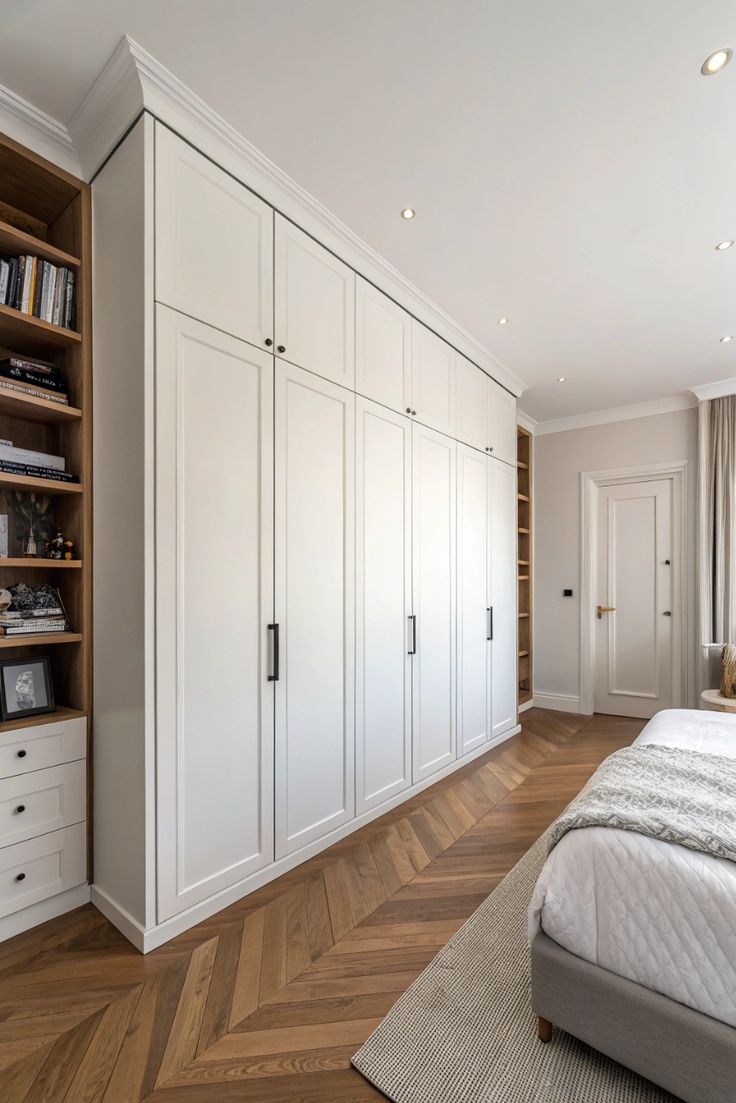
Floor-to-Ceiling Joinery: Custom wardrobes that touch the ceiling draw the eye upward, highlighting the room's height rather than its small footprint.
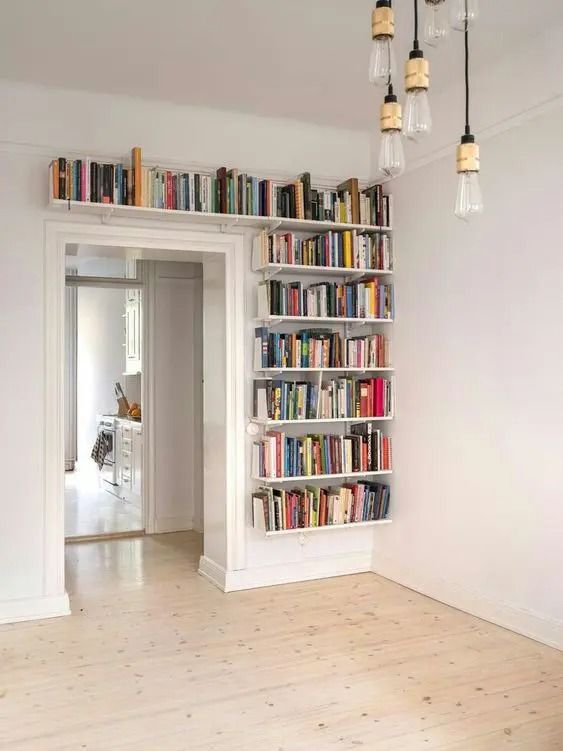
The Dead Zone Storage: That space above the door frame is the perfect spot for a bookshelf or a hidden cabinet for suitcases.
Pro Tip: Vertical lines are the small space's best friend. They trick the brain into assessing volume rather than just floor area.
3. The Art of Colour Drenching
For decades, the advice was "paint it white to make it look big." While white works, it can also feel clinical. The trend for 2025 is Colour Drenching.
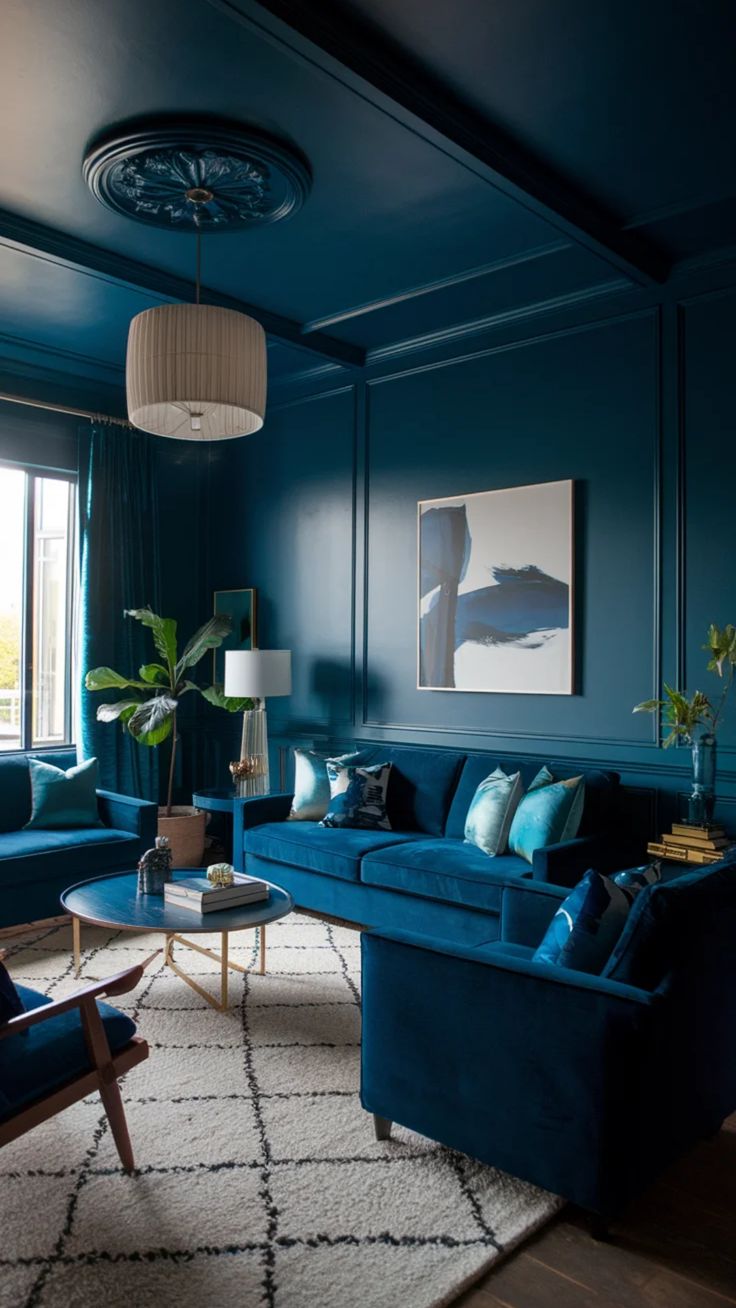
How it works:
Paint your walls, skirting boards, door frames, and even the ceiling in the same colour. When there is no contrast between the wall and the trim, your eye doesn't stop at the edges. The boundaries blur, and the room feels like an infinite, cozy cocoon.
Try soft sages, warm terracottas, muted beiges, or even moody teals, shades that add personality while still expanding visual depth.
4. Floating and Invisible Furniture
Heavy, boxy furniture anchors a room, literally weighing it down visually. To maximize flow, you need to see the floor.
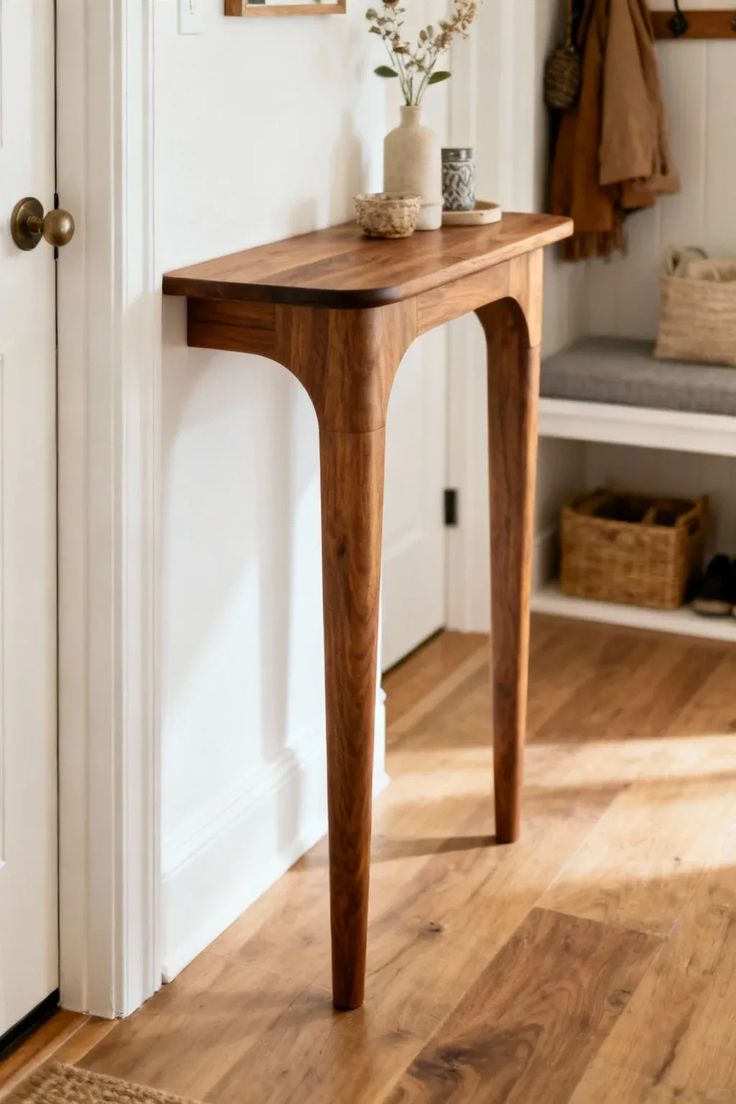
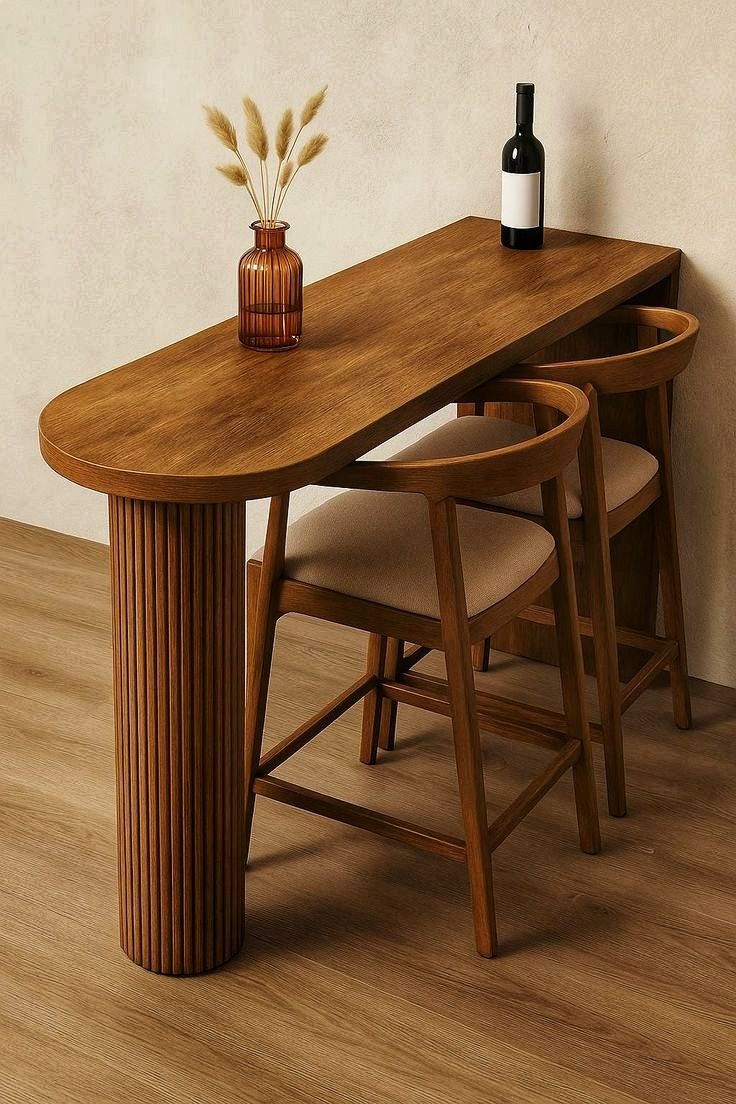
Legs are Key: Choose sofas and cabinets raised on slender legs. Seeing the flooring continue underneath the furniture tricks the brain into perceiving more floor space.
The Ghost Effect: Acrylic or glass coffee tables are fantastic because they take up almost zero visual space while still being functional.
5. Mirrors: The Oldest Trick Done Right
Yes, mirrors expand space, but placement matters.
Strategic Placement:
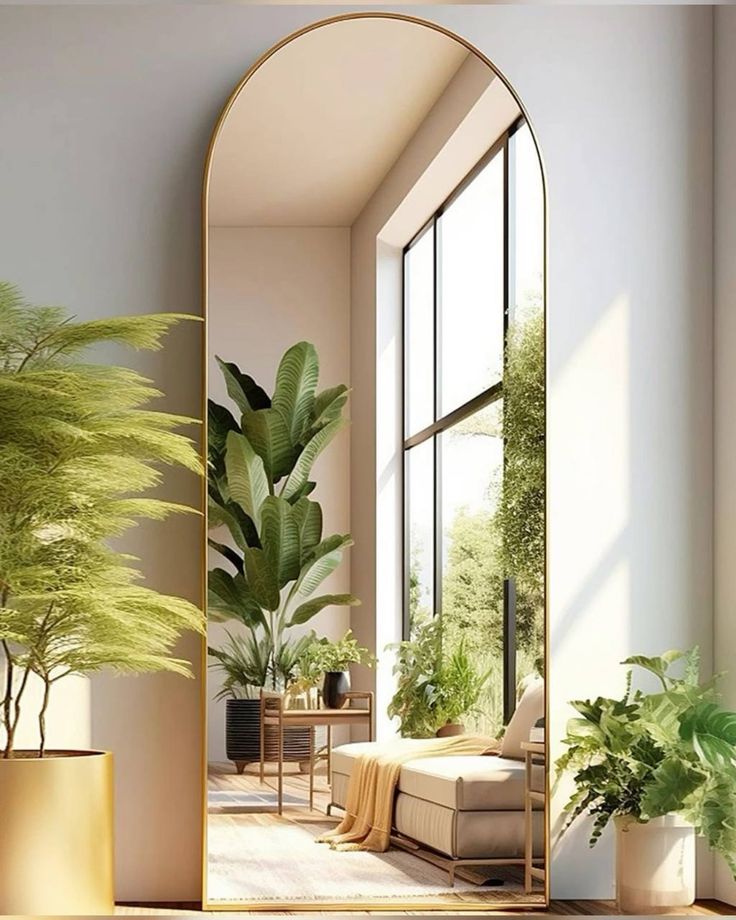
Opposite Windows: Place a large mirror directly opposite a window. It acts as a second window, bouncing natural light deeper into the room and reflecting the outdoors.
The Infinite Hallway: A floor-to-ceiling mirror at the end of a narrow corridor can make it look twice as long.
6. Multi-Functional Contracting
In a small apartment interior design project, every inch must pay rent. If a piece of furniture only does one thing, it's fired.
We specialize in designing transformable furniture:
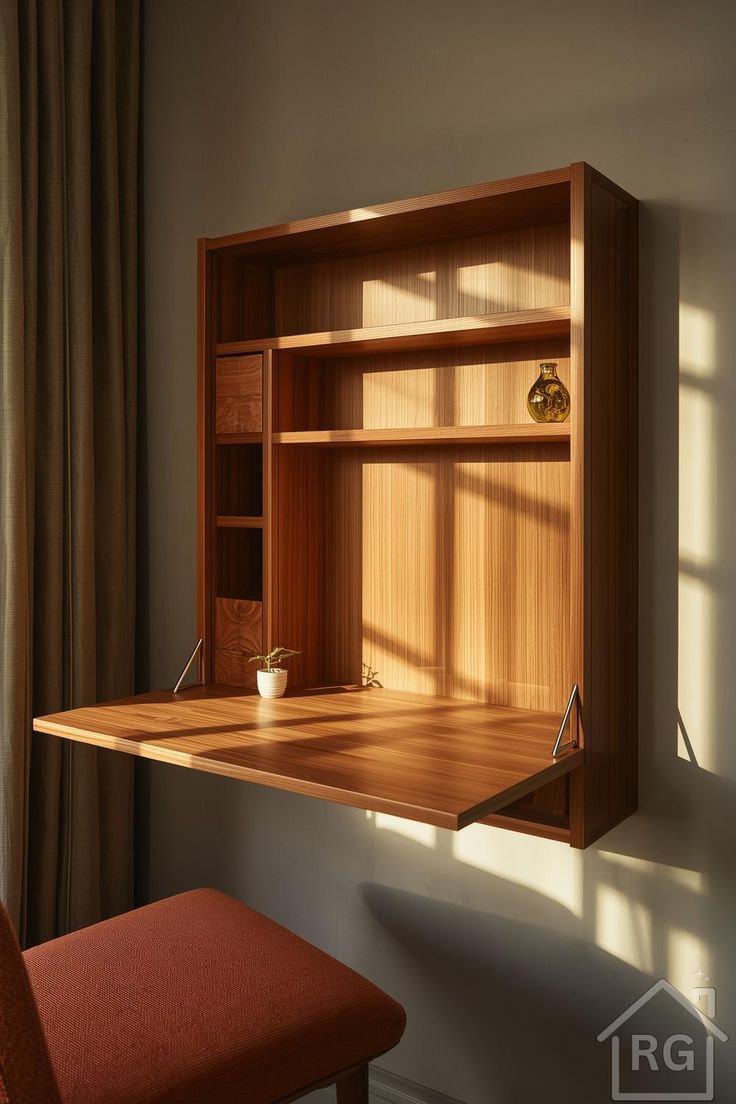
The Murphy Desk: A wall panel that folds down into a full work-from-home station. When folded up, it looks like a clean, decorative wall panel. When folded down, you have a complete desk with space for your laptop, notebooks, and a small lamp. Perfect for bedroom corners that would otherwise be dead space.
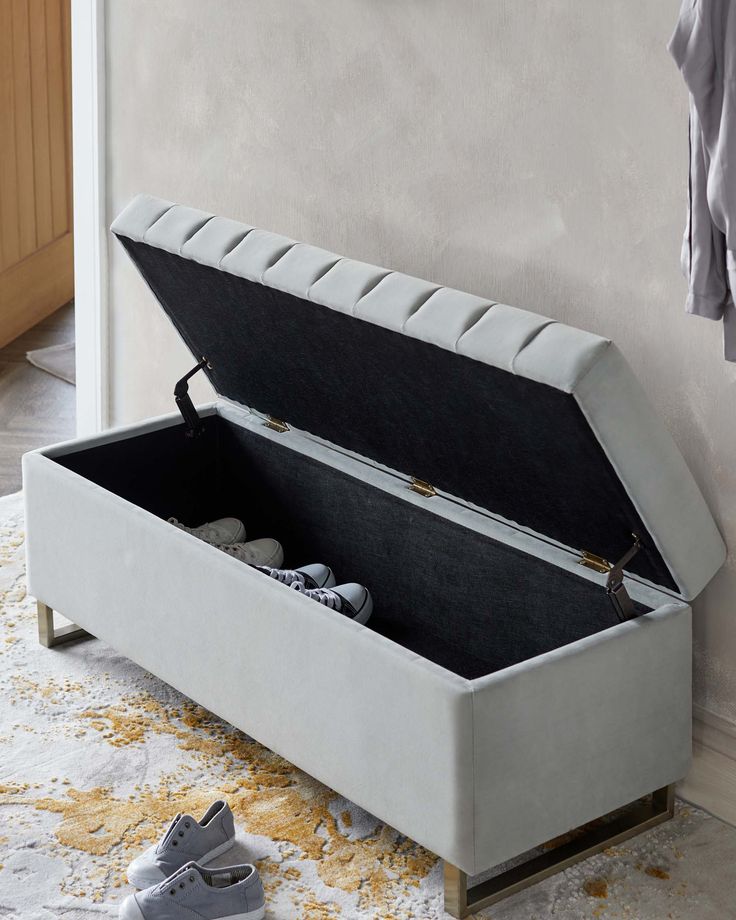
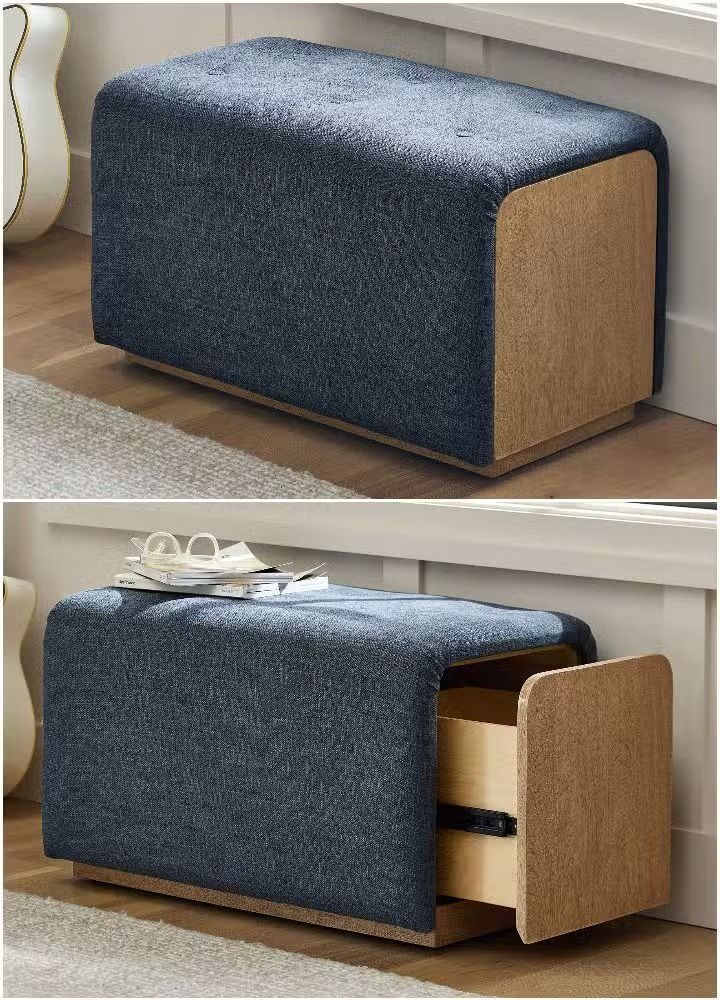
Storage Ottomans: These are one of the smartest buys for a compact home. They serve as a footrest, an extra seat when guests arrive, a coffee table with a tray on top, and the entire lid lifts to reveal hidden storage for blankets, cushion covers, or books. One piece, four jobs.
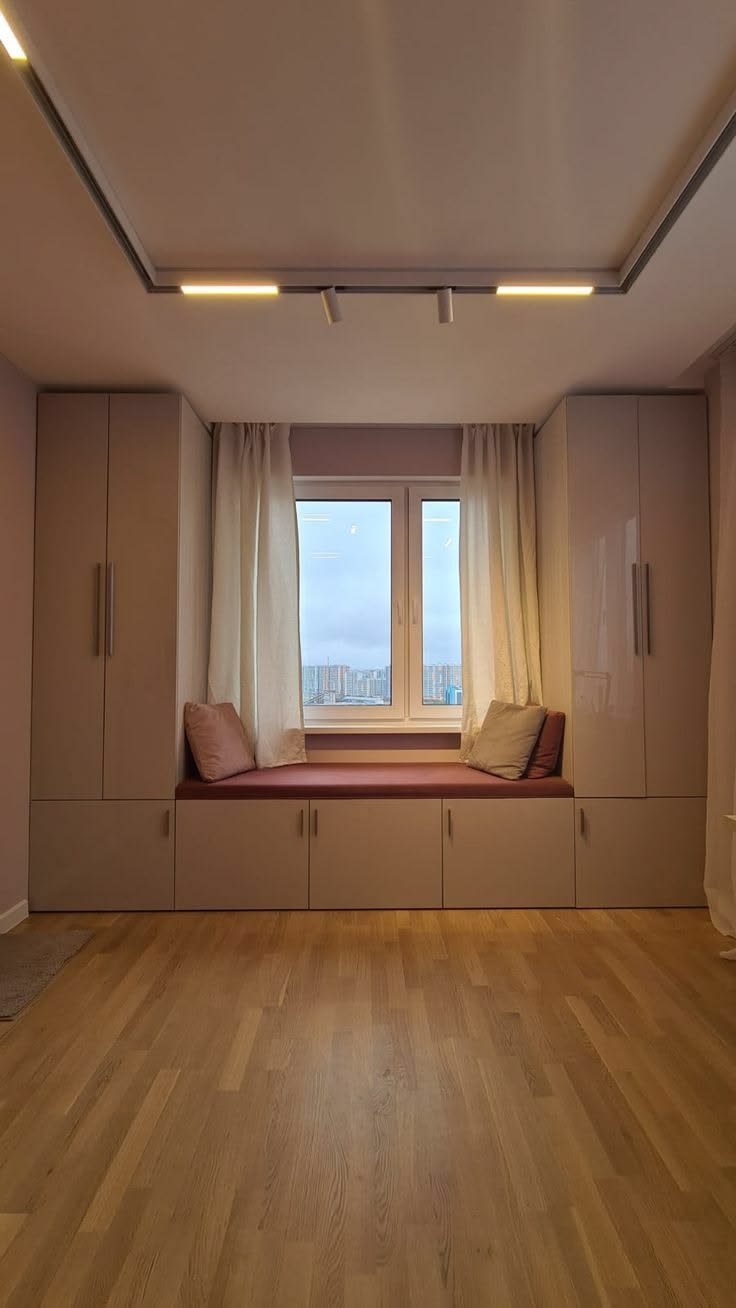
Bay Window Seating: That awkward nook by the window is prime real estate. Build a cushioned bench with deep drawers underneath and you have created a reading corner, extra seating, and a linen closet, all in a space that was previously collecting dust.
7. Lighting Layers
A single tubelight makes a small room feel flat and harsh. To add depth, you need shadows and pools of light, each layer doing a different job.
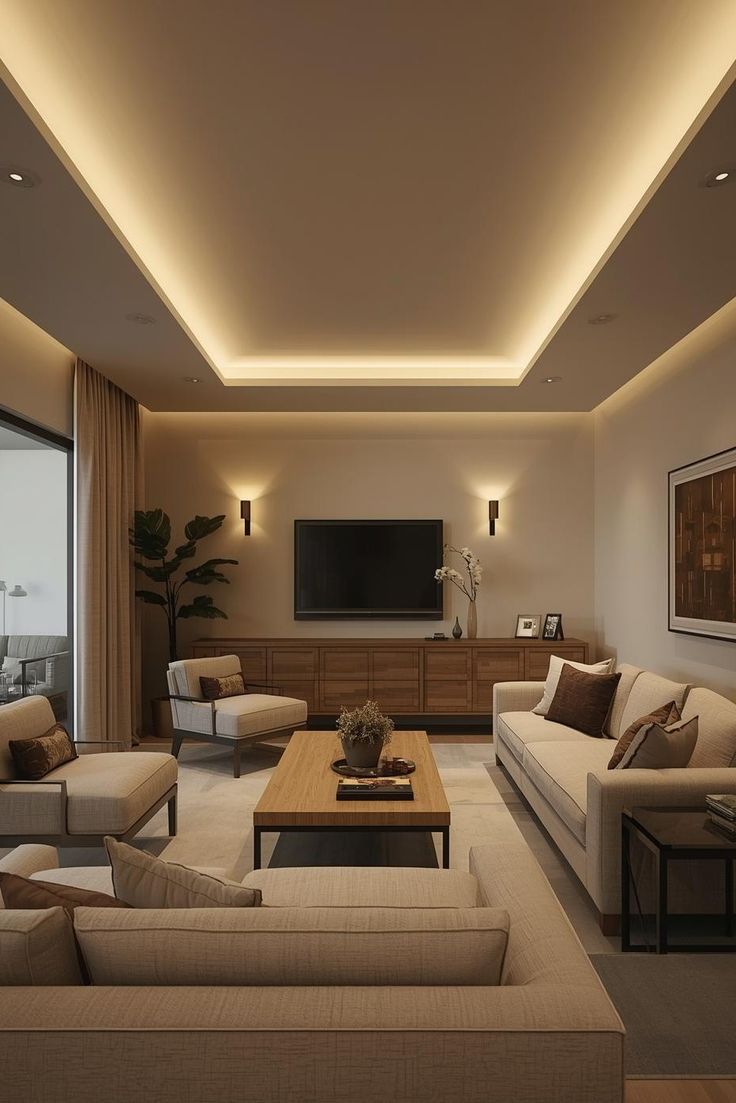
Cove Lighting: Hidden LED strips tucked inside false ceiling recesses wash the ceiling with a soft, indirect glow. This pushes the ceiling visually higher and adds warmth without any visible light source, the effect feels almost magical at night.
Floor Lamps: Placing a tall floor lamp in a corner does two things: it softens the hard angle where two walls meet, and it creates a warm pool of light that makes the room feel layered rather than flat.
Warm LEDs: Swap any cool white bulbs (above 4000K) for warm white ones (2700K–3000K). This single change transforms a cramped room from feeling like a storage unit to feeling like a boutique hotel suite.
- .
Conclusion: Small is Beautiful
A small home is easier to maintain, eco-friendly to cool, and encourages a curated lifestyle where you only keep what you truly love. You don't need to knock down walls; you just need to outsmart the dimensions.
We've used these exact techniques in multiple Jaipur apartments to create homes that feel dramatically larger without structural expansion.
At Shree Vaidehi Interiors, we don't just decorate; we engineer space. From civil changes to custom furniture fabrication, we handle complete turnkey interior design in Jaipur for compact homes that make a grand statement.
Ready to unlock the hidden space in your home? Let's chat.
FAQs About Designing Small Homes
Q: What colors make a small room look bigger?
Soft, continuous tones like sage green, warm beige, or muted terracotta help blur boundaries and make walls feel farther apart.
Q: Is custom furniture worth it for small apartments?
Absolutely. Store-bought furniture wastes vertical space, while custom pieces maximize every inch from floor to ceiling.
Q: How do I add storage without cluttering my home?
Use hidden storage like beds with drawers, window seating with cabinets, and ceiling-height wardrobes designed by professionals.
Q: Do mirrors really make a room look bigger?
Yes, especially when placed opposite windows or at the end of narrow corridors to reflect light and extend visual depth.